About CBT
Check the published facts on why CBT is the recommended treatment for a wide range of psychological, emotional and behavioural problems. CBT is still recognised as the "Gold Standard" in psychotherapy and the latest research data supports this. Follow the evidence and make an informed choice before organising other forms of therapy.
[modalbox heading="About CBT" id="AboutCBT"]
Cognitive Behavioural Therapy (CBT) is a highly structured and clinically proven treatment for overcoming a wide range of problems including anxiety, depression, insomnia, OCD, panic attacks, PTSD, social phobia, low self-esteem and relationship problems. CBT works by using proven psychological techniques to identify and change the hard-wired connections between negative thoughts, distressing emotions, unhelpful behaviours and physical sensations. CBT is usually applied on a time focused basis, however longer-term therapy is also provided where this is helpful to the client. The research evidence shows that CBT is effective in the treatment of long-term conditions rooted in childhood experiences, as well as short-term problems triggered by recent situations or life events.
The published research evidence demonstrates that CBT is highly effective in the treatment of a wide range of psychological problems including depression, anxiety, panic attacks, OCD, social phobia, PTSD, eating disorders, chronic fatigue, anger problems, low self-esteem and specific phobias. Evidence from a large number of research trials, consistently demonstrates that CBT is more effective than other forms of therapy or counselling, matching or outperforming antidepressant medications for anxiety and depression related problems. According to the Royal College of Psychiatrists, CBT is “The most effective psychological treatment for moderate and severe depression,” “It is as effective as anti-depressant medication” and “It is one of the most effective treatments where anxiety and depression is the main problem." CBT is endorsed by the Department of Health, National Institute of Health and Clinical Excellence (NICE), British Psychological Society, Royal College of Psychiatrists, Royal College of General Practitioners and the UK Council for Psychotherapy (UKCP).
To find out more about how CBT can help you, your clients or your employees, contact Think CBT today to organise a free consultation with one of our Cognitive Behavioural Therapy experts. You can also visit our Client Feedback page to see real examples of how CBT has worked in practice. Call us on 01732 808 626 or email us at info@thinkcbt.com.
[/modalbox]

Our Services
We provide Cognitive Behavioural Therapy, Clinical Psychology and Counselling Psychology from over 200 locations across the UK. We also offer Acceptance and Commitment Therapy, Dialectical Behaviour Therapy, Couples Behavioural Therapy, Children's CBT, Mindfulness and Eye Movement Desensitisation and Reprocessing - EMDR.
[modalbox heading="What We Offer" id="WhatWeOffer"]
Along side mainstream Cognitive Behavioural Therapy, we provide a number of "third wave" CBT approaches, including Acceptance and Commitment Therapy (ACT), Compassion Focused Therapy (CFT), Dialectical Behaviour Therapy (DBT) and Eye Movement Desensitisation and Reprocessing (EMDR).
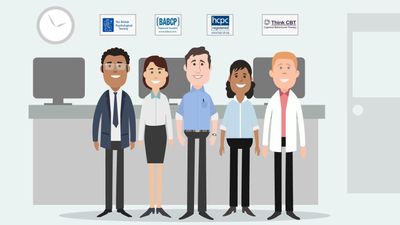
We understand that if you are going to pay for a service, you will expect an immediate response, professional expertise and good value for money. This means you will work with a fully qualified and BABCP accredited Psychotherapist, without having to fill in unnecessary paperwork or join a lengthy waiting list. We systematically collect client feedback, which is why we know that over 95% of clients would recommend our service. We don't use agencies or subcontractors, so you will always work with a member of our own team. We provide the following benefits:
- Immediate access to confidential, professional and independent CBT without unnecessary red-tape or lengthy waiting lists.
- Only providing fully qualified BABCP Accredited psychotherapists rather than unqualified counsellors or trainees.
- Delivering therapy over extended sessions, at times to suit the client and with the flexibility of evening and weekend appointments.
- Providing continuous confidential support throughout the CBT process, with direct access to telephone, SKYPE and email follow-up.
- Integrating the latest CBT techniques based on cutting edge research and the specific needs of the individual client.
- Using modern methods from new CBT models including ACT, CFT, DBT and MBCT.
- Producing a free initial assessment report and lapse prevention plan at the end of therapy.
- Providing access to catch-up calls and email support following the completion of therapy.
[/modalbox]
Our Approach
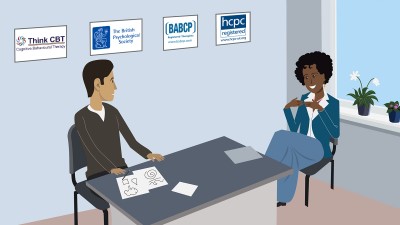
We understand that making your first appointment can be a difficult step to take. This means that you will be treated with sensitivity, respect, discretion and professional courtesy. We won’t ask you to join a lengthy waiting list or to complete unnecessary paperwork. We will treat you as a value client and we will only offer support if we can help.
[modalbox heading="About Our Approach" id="AboutOurApproach"]
As a therapist led organisation we are committed to the highest standards of clinical practice, excellent customer service and good value for money. As we are not an online directory or agency service, our clients always work with a member of our own clinical team. This maintains professional standards, ensures service continuity, promotes personal trust and protects client confidentiality.
The referral process is fast and straight forward. CBT appointments can usually begin within a few days of the initial enquiry and we always start with a free initial call to ensure that we can help.
Your therapist will usually request some background information before starting Cognitive Behavioural Therapy. This helps to ensure that the CBT sessions are focused on support and therapeutic change rather than spending time on measures and data gathering.
The CBT sessions are highly structured and follow an agreed treatment plan. This involves understanding the background and maintenance factors that keep the problem going, learning new cognitive and behavioural techniques and applying these approaches to the problem.
Whilst the CBT techniques are based on scientific research, the approach itself is highly practical and focused on introducing tangible changes to alleviate suffering and improve personal resilience. You can find out more about how CBT works by following this link to our FAQ page.
[/modalbox]
Online Therapy
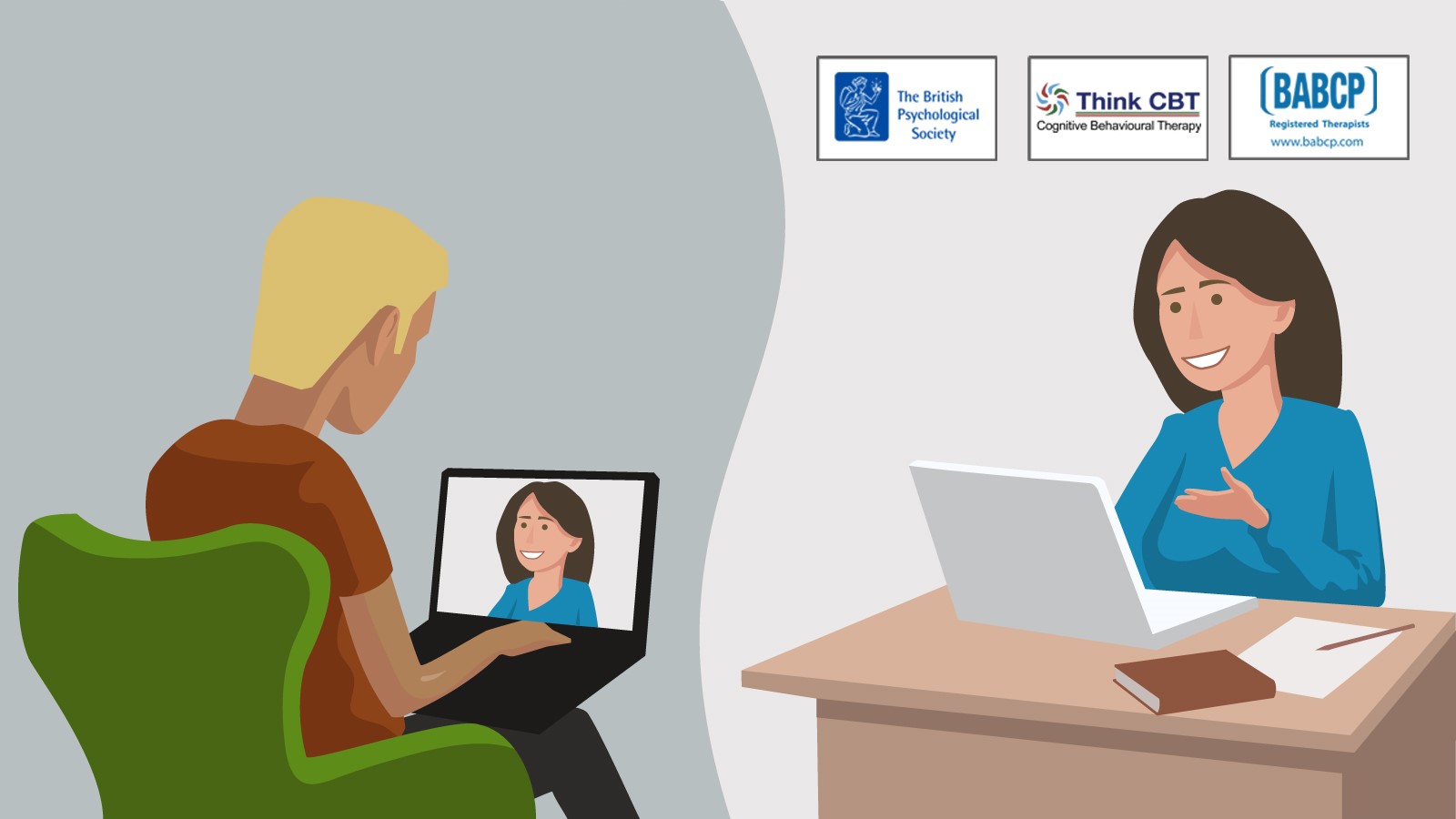
Our online Cognitive Behavioural Therapy service is best in class. Our clinical recovery rates and client satisfaction scores are over 90% and our charges are lower than other well-known CBT providers operating across the UK. Online therapy works in exactly the same way as face-to-face CBT. Compare our online CBT service standards and charges.
[modalbox heading="Online Cognitive Behavioural Therapy" id="OnlineTherapy"]
The research shows that online Cognitive Behavioural Therapy is as effective as traditional face-to-face CBT. The CBT process is normally delivered over video link, enabling visual engagement between the therapist and client with access to onscreen CBT materials and exercises. Online therapy involves the same CBT techniques and methods, and sessions are structured to use the same therapeutic approaches.
Whilst the idea of working via a screen or computer monitor might seem detached or impersonal, our practical experience shows that the process actually works very well and the therapeutic relationship between the therapist and client is engaging , warm and connected.
All CBT sessions follow a basic structure. This involves agreeing the agenda for the session, reviewing progress, working through or learning new CBT approaches and committing to CBT task’s or experiments before the next session. This structure is managed in exactly the same way using online Cognitive Behavioural Therapy.
Where the client prefers to work off-screen, sessions can be held by audio or phone connection and CBT materials are shared in advance via email.
Online CBT provides a modern, flexible and responsive alternative to face-to-face therapy. It provides an opportunity for people to find one hour per week to connect and work closely with their therapist, whilst recognising the time, travel and childcare constraints often associated with attending face-to-face therapy sessions. To find out more about online and telephone-based CBT, follow this link.
[/modalbox]